
Building Waterproofing · UAE waterproofing service
Building Waterproofing With a Whole-Asset Approach
We deliver building waterproofing for property owners and facility teams who need lasting protection in UAE heat, UV and seasonal rain — not a quick coat that fails in two summers. Looking for building waterproofing in Dubai or across the Emirates? We inspect first, then specify a system matched to UAE heat, UV and how the surface is used.
Building-level waterproofing is a portfolio problem — roofs, podiums, wet areas, basements, and facades interact, and water finds the weakest link. Facility managers and developers need a hierarchy: which zones threaten life safety or critical assets, which warranties expire first, and whether leaks are symptomatic of design detail failure across multiple trades. A single vendor quote for one room rarely solves tower-wide ingress. UAE buildings also face FM turnover and retrofit MEP penetrations that breach old membranes. Use this section to plan integrated surveys, phased remediation, and documentation that survives handover.
Prefer messaging? Request a quote · Contact us · Warranty
Inspection-led scope
Diagnose before quoting
Written warranties
Terms on major systems
UAE-ready systems
Heat, UV and rain
All seven emirates
Villas to warehouses
Questions about coverage? See our warranty terms and process.
Results
What changes after a proper system
Representative before/after stages — real project photos available during quoting.
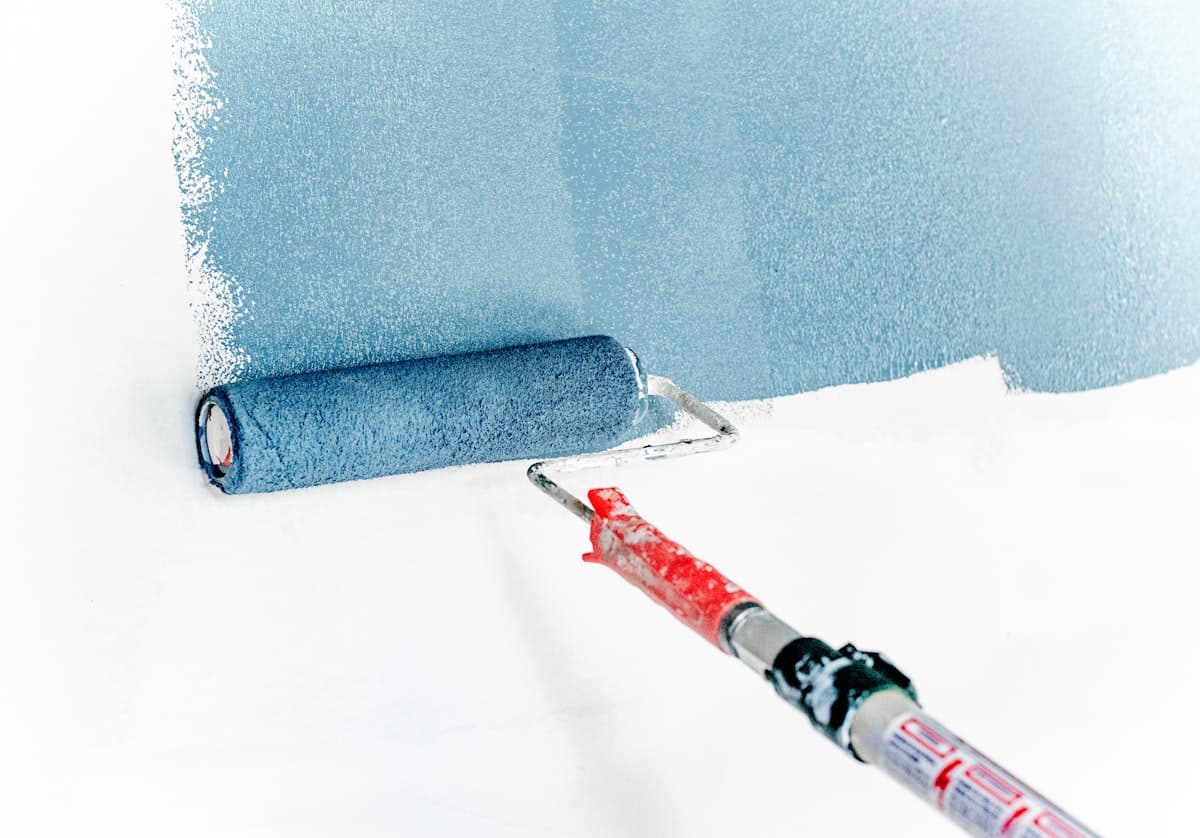
Failed or ageing building detail — ponding, cracks or active tracking
Prepared substrate with continuous building membrane and dressed details
What is building waterproofing?
Building waterproofing is a coordinated programme across every water-exposed zone of a property — roof, podium, basement, wet areas, balconies and plant rooms — rather than a single-product application. It starts with a whole-building survey that maps active leaks, risk zones and existing system types, then prioritises remediation by structural impact and occupancy disruption. FM teams receive a documented system register showing what was installed where, warranty status and recommended inspection intervals.
Why UAE buildings need it
UAE towers and mixed-use assets rarely fail in just one zone. A roof leak may combine with podium ingress and stacked bathroom failures. FM budgets get wasted on repeated patch repairs when no one holds the full picture. Heat and UV degrade multiple systems simultaneously on the same asset. Handover documentation from original contractors is often incomplete. Without a building-wide view, owners fix the ceiling stain while water re-enters from an adjacent balcony stack.
Quick answers
What property owners ask first
Direct answers written for search and AI assistants — then read the full sections below for detail.
What is building waterproofing?
Building waterproofing is a coordinated approach to every water-exposed zone on a property — roofs, basements, podiums, wet areas and balconies. It includes survey, prioritised repair and documentation for FM teams. It is a programme, not a single membrane product applied once.
Why is building waterproofing needed in the UAE?
UAE assets often leak in multiple zones at once. Patch repairs without a building-wide view waste budget and miss root causes. Heat degrades several systems simultaneously. FM teams need a register of what exists where. Coordinated waterproofing stops repeat failures and tenant disputes.
How much does building waterproofing cost in the UAE?
Cost depends on building size, number of active leak zones, system types and phasing. A survey-only phase is far smaller than multi-year remediation. Quotes vary; whole-building inspection is the starting point before any lump-sum figure.
How long does building waterproofing last?
Each zone's system has its own lifespan — typically 10–20 years on roofs, longer in protected wet areas. A managed programme extends overall asset performance through scheduled inspections and early repair. Documentation ensures warranties remain valid across phases.
The problem we solve
Multi-zone buildings leak at roofs, podiums, wet areas and basements simultaneously. Patch repairs without a register waste budget.
- Multiple leak sources active on the same asset simultaneously
- No central register of membrane types and warranty dates
- Repeated patch repairs in different zones without root-cause mapping
- Podium landscaping damaging roof-level waterproofing below
- Stacked wet-area failures affecting several tenant floors
- MEP plant room leaks adding to roof and basement ingress
- Conflicting contractor scopes leaving gaps at zone junctions
Our solution
Whole-building surveys, prioritised remediation and a documented system map for FM teams.
Signs you need building work
- • Recurring leaks in different zones after localised repairs
- • FM spend on waterproofing rising year on year
- • Tenant complaints across multiple floors after rain
- • No record of original membrane types or warranty status
- • Podium or landscape works planned without waterproofing review
- • Insurance or handover survey flagging multiple moisture paths
Methods
Building Waterproofing methods we specify
The right system depends on substrate, exposure and how the area is used — not a one-product pitch.
Whole-building condition survey
Structured inspection of roof, podium, basement, typical wet areas and balconies with moisture mapping and photo report.
Prioritised remediation programme
Phased works ranked by structural risk, tenant impact and budget — not random ticket order.
Multi-system specification
Correct membrane type per zone: PU on exposed roof, cementitious in wet areas, injection in basement.
FM handover documentation
System register, as-built details, warranty terms and annual inspection checklist for in-house teams.
Outcomes
Benefits
- Inspection before quoting — no guesswork on scope
- Materials matched to building exposure and substrate
- Reinforced details at drains, corners and penetrations
- Written warranty on major system installations
- Documentation for FM, insurers and handover packs
Expected lifespan in the UAE
A managed building waterproofing programme extends aggregate system life by catching failures early and matching products to each zone's exposure. Individual systems still follow their own lifespans — 10–20 years on roofs, 15+ in wet areas — but coordinated maintenance prevents one zone failure from damaging others.
Materials we use
- Multi-system portfolio
- Podium landscaping membranes
- Vertical and horizontal barriers
See also our materials overview and warranty terms.
Professional installation process
- 01
Site inspection
We map moisture paths, substrate condition, drains and penetrations before quoting.
- 02
Surface preparation
Failed coatings are removed, cracks repaired and surfaces primed to manufacturer spec.
- 03
Detail reinforcement
Corners, outlets, pipes and movement joints receive extra membrane layers.
- 04
System application
The specified membrane or coating is applied at correct thickness with cure controls.
- 05
Testing and handover
Flood or hose tests where applicable, photos, warranty documents and maintenance guidance.
Full methodology on our process page.
Cost factors
- • Accessible area and working height
- • Strip-out of failed layers
- • System type and thickness
- • Detail complexity
- • Warranty scope
Whole-building programmes priced by phase — survey, emergency stabilization, and zone renewal differ. Economies exist in bulk scaffolding and repeated system specs but not in skipping diagnosis. Occupied towers add night work premium. Long-term cost of deferred roof work exceeds phased renewal — inspection builds a prioritized capex plan without invented totals.
Read our waterproofing cost guide.
Maintenance advice
- • Annual visual inspection
- • Keep drains clear of debris
- • Repair minor damage before it spreads
- • Follow warranty inspection schedule
Run annual facade and roof walk with FM team. Track repeat leak tickets — same unit twice means systemic detail failure. Clear all building drains before winter. Audit new tenant fit-outs for wet area compliance. Renew joint sealants on podiums on a fixed cycle.
Expert tips
- • Do not tile or paint over damp substrates
- • Compare quotes by written scope not headline price
- • Photograph the area before and after works
- • Commission infrared survey for large roof portfolios
- • Block ad hoc balcony tile works without membrane proof
- • Align roof renewal with facade cradle schedule
- • Use same membrane family across podiums for spare parts
- • Train FM on drain clearing — cheapest risk reduction
- • Insist on digital photo handover at every phase sign-off
Industry best practices
Start with building-wide moisture and leak history mapping — align stains to plans. Prioritize roofs, podiums, and tank rooms before cosmetic interior tanking. Standardize detail drawings for penetrations across trades. Maintain central register of membrane types and warranty dates per level. Phase works to minimize tenant disruption in occupied towers. Require flood test certificates for all wet areas at handover. Coordinate cladding, MEP, and waterproofing in BIM or marked-up plans — ad hoc core drills are a leading breach cause.
When to call a specialist
Call when multiple unrelated units report leaks after same weather event, when insurer demands remediation plan, or before major capex renewal year. New handover with incomplete test records needs independent audit.
Aftercare in the first weeks
After each phase, update as-built register before next trade enters. Communicate tenant restrictions during cure windows. Compare leak ticket volume month-over-month post phase one.
Patch, partial, or full system?
Should building waterproofing be a single elevation, or a phased common-area programme?
Patch when
One elevation or plant terrace can be isolated when FM records show a local failure and adjacent zones passed recent inspections. Keep documentation per zone for strata files.
Full system when
Phased whole-building programmes suit ageing towers with repeating balcony and podium failures. Sequencing by elevation keeps access and tenant disruption manageable.
Avoid
Do not approve the cheapest per-balcony patch without flood-test records. Liability returns on the next rainy season and management has no evidence pack.
Common-area roofs, plant terraces and balcony elevations need the same detail standard as private units because FM inherits the maintenance burden. Require per-zone documentation — flood tests, photos, certificate numbers — so strata files survive staff turnover. Phasing by elevation keeps access and tenant disruption manageable on occupied towers. Centralise handover packs; do not leave certificates in one engineer’s inbox. Align balcony, podium and plant-terrace scopes under one specification lead so detailing standards do not fragment across three subcontractors.
Options compared
| Option | Best for | Watch out |
|---|---|---|
| Phased zone renewal | Occupied towers with manageable leak spread | Temporary fixes in untreated zones may continue |
| Full roof and podium programme | Widespread membrane end-of-life on single asset | High capex; needs strong project controls |
| Survey and stabilize only | Budget-limited year with critical leak stops | Does not replace eventual system renewal |
| Integrated new-build spec package | Developments pre-handover | Only valuable if enforced through snagging |
Owner checklist
- Compile leak history log with floor plans marked
- Rank zones by asset risk — electrical, data, tenant areas
- Audit warranty register and expired membranes
- Standardize penetration detail for ongoing MEP works
- Phase scope with tenant notification plan
- Require test certificates for all renewed wet areas
- Assign single FM owner for waterproofing records
- Budget contingency for hidden saturated screed
- Review after first full rainy season post programme
Common mistakes to avoid
These errors shorten membrane life and turn small leaks into slab or ceiling repairs.
- Treating each leak ticket in isolation without survey context
- Using the cheapest product for every zone regardless of exposure
- Deferring podium works while investing only in visible ceiling repairs
- Losing warranty rights by using non-approved repair contractors
- Skipping documentation so future FM teams repeat discovery work
- Planning façade works without checking balcony and roof interfaces
Why choose our building service
- Single team accountable for diagnosis across all building zones
- Phased programmes aligned with FM budget and tenant calendars
- Documentation that satisfies insurers, auditors and handover
- Experience on UAE towers, hotels and mixed-use assets
- Priority logic that fixes structure-threatening leaks first
Frequently asked questions
Additional detail beyond the quick answers above. Still unsure? Request an inspection.
How long does building waterproofing take?
Timelines depend on area, prep needs and cure times. A typical villa bathroom may take 3–5 days including flood test; a full roof refurbishment can take 1–3 weeks.
Do you provide warranty on building work?
Yes — major system installations include written warranty terms. Scope and exclusions are stated in your quote.
Which emirates do you cover for building waterproofing?
We serve Dubai, Abu Dhabi, Sharjah and all northern emirates. Remote industrial sites are scheduled by arrangement.
Can you start with a survey before committing to full works?
Yes — we recommend a condition survey and prioritised report as phase one. FM teams use it for budget planning and tender scope.
Do you coordinate with other trades during building programmes?
Yes — MEP, landscaping, tiling and façade teams often interface with waterproofing. We sequence works to avoid leaving zones unprotected.
How do you minimise tenant disruption in occupied towers?
Phased zones, night works where agreed, clear notice to building management and dust and noise controls on wet-area strip-outs.
How do I prioritize waterproofing spend across a building?
Rank by consequence of failure — active roof leaks over data rooms beat slow bathroom grout issues. Combine leak frequency, warranty status, and repair cost history. Inspection produces phased plan with risk scores, not guesswork.
Can one contractor handle all building waterproofing?
Large specialists cover roofs, wet areas, and basements if qualified per system. Accountability improves with single programme manager; still verify trade certifications for polyurea, bitumen, and wet-area membranes separately.
What documents should FM keep for waterproofing?
As-built membrane types, test certificates, warranty terms, penetration detail drawings, and photo records before tile or cladding cover. Missing records force destructive investigation on every new leak.
How should strata phase a multi-balcony waterproofing programme?
Usually by elevation or stack with clear access windows, tenant notices and per-unit flood-test records. Phasing keeps disruption manageable and builds a consistent documentation trail for management files. Ask for a written phase calendar before approving the cheapest lump-sum that ignores access reality.
Do common-area roofs need the same detailing as private balconies?
Yes. Plant terraces and common roofs inherit the same drain and penetration risks. FM teams live with the maintenance burden, so detail standards should match private unit work — including photos and certificate numbers filed centrally.
What belongs in a building waterproofing tender pack?
Named systems and thickness, prep scope, detail list at drains and penetrations, flood-test method, warranty exclusions, and FM handover documents. Without those lines, bids are not comparable.
Related services
Commercial Waterproofing
We deliver commercial waterproofing for property owners and facility teams who need lasting protection in UAE heat, UV and seasonal rain — not a quick coat that fails in two summers.
Roof Waterproofing
We deliver roof waterproofing for property owners and facility teams who need lasting protection in UAE heat, UV and seasonal rain — not a quick coat that fails in two summers.
Basement Waterproofing
We deliver basement waterproofing for property owners and facility teams who need lasting protection in UAE heat, UV and seasonal rain — not a quick coat that fails in two summers.
Ready for professional building waterproofing?
Book a free inspection. We diagnose first, then send a clear written scope — no vague per-sqm promises.