
Swimming Pool Waterproofing · UAE waterproofing service
Swimming Pool Waterproofing That Stops Water Loss
We deliver swimming pool waterproofing for property owners and facility teams who need lasting protection in UAE heat, UV and seasonal rain — not a quick coat that fails in two summers. Looking for swimming pool waterproofing in Dubai or across the Emirates? We inspect first, then specify a system matched to UAE heat, UV and how the surface is used.
Pool leaks waste water, chemicals, and trust — and in the UAE they often stem from detail failure at skimmers, returns, light niches, or tile bed debonding rather than a single hole in the shell. Before replastering or retiling, decide whether the shell is concrete or block, whether the existing tanking is PVC liner, epoxy, or crystalline, and whether leak loss is structural or equipment-related. Pools here run year-round in heat and UV; flex at coping and expansion joints is constant. This guide helps owners and FM teams judge when full strip is needed versus targeted niche repair.
Prefer messaging? Request a quote · Contact us · Warranty
Inspection-led scope
Diagnose before quoting
Written warranties
Terms on major systems
UAE-ready systems
Heat, UV and rain
All seven emirates
Villas to warehouses
Questions about coverage? See our warranty terms and process.
Results
What changes after a proper system
Representative before/after stages — real project photos available during quoting.
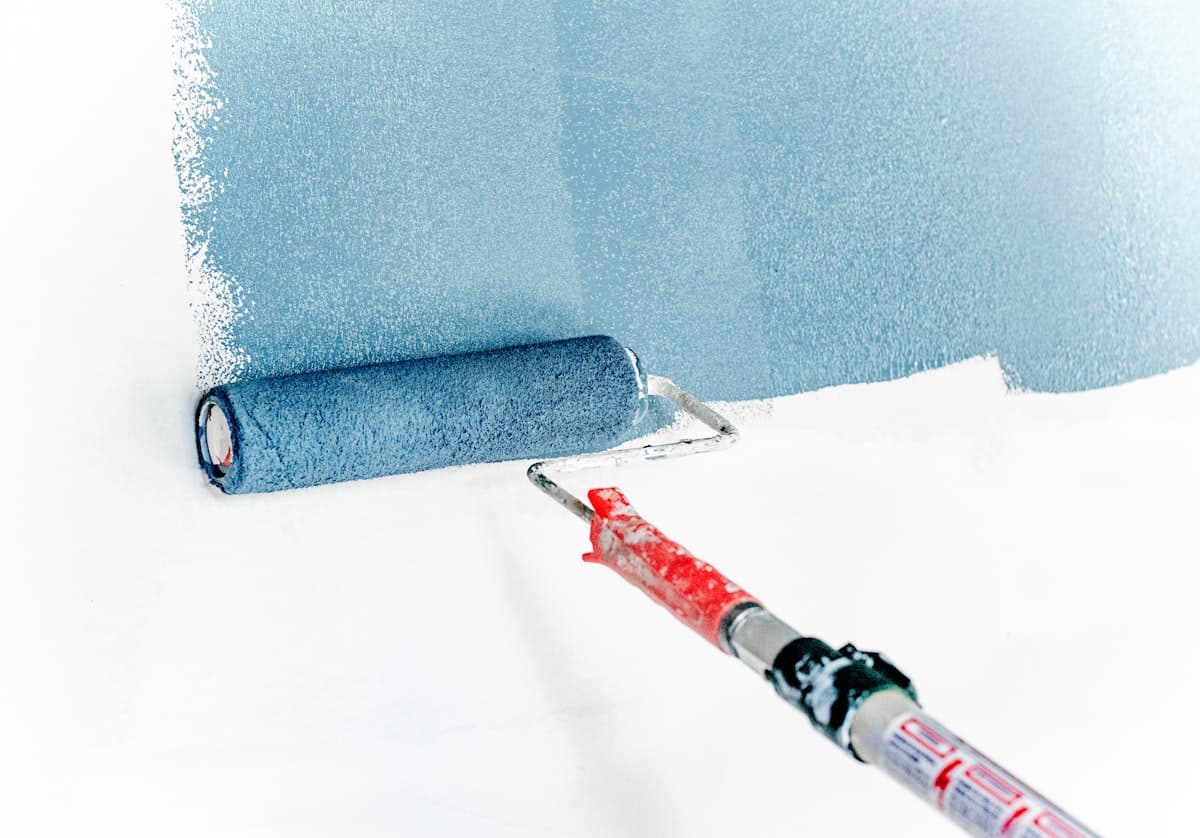
Failed or ageing pool detail — ponding, cracks or active tracking
Prepared substrate with continuous pool membrane and dressed details
What is swimming pool waterproofing?
Swimming pool waterproofing seals the concrete or blockwork shell before tiles or render finishes, stopping water loss into surrounding soil and protecting reinforcement from chlorinated moisture. Systems include flexible cementitious membranes, epoxy tank linings and reinforced render coats applied to prepared, crack-free substrates. Critical details are skimmer boxes, return fittings, light niches, floor drains and the bond beam junction — where most pool leaks actually start. Empty-pool application with proper cure and water testing confirms performance before refill.
Why UAE buildings need it
UAE villas and hotels run pools almost year-round in heat that accelerates evaporation — so constant water loss is often blamed on splash-out when the shell is actually leaking. Chlorinated water plus heat cycles stress render and tile adhesive. Poorly cured concrete shells shrink and crack within the first seasons. Pools built on podium decks above parking add liability when leaks saturate structural slabs. Saline groundwater on coastal plots pulls water through failed shells in both directions.
Quick answers
What property owners ask first
Direct answers written for search and AI assistants — then read the full sections below for detail.
What is swimming pool waterproofing?
Swimming pool waterproofing is a membrane or lining applied to the pool shell before tiles or finish coats, sealing concrete against water loss and chloride attack. It includes reinforced details at skimmers, drains, returns and light niches. It is tested before the pool is refilled.
Why is swimming pool waterproofing needed in the UAE?
UAE pools run year-round in extreme heat, increasing evaporation masking real leaks. Chlorine and thermal movement crack render and fittings. Podium pools above car parks create serious liability if the shell leaks. Proper waterproofing stops water loss, protects structure and reduces constant refill costs.
How much does swimming pool waterproofing cost in the UAE?
Price depends on pool size, whether full strip of tiles is needed, shell condition and access to drain the pool. Localised penetration repair differs from full refurbishment. Quotes vary; empty-pool inspection is required before firm pricing.
How long does swimming pool waterproofing last?
Under-tile membranes typically last 10–15 years with proper water chemistry and grout maintenance. Epoxy systems may last longer in commercial use. Failures at fittings often appear sooner if details were skipped. Annual checks of grout and water balance extend service life.
The problem we solve
Pool shells lose water through cracked render, failed membranes or pipe penetrations. Constant refill wastes water and undermines paving.
- Cracked render or tile grout allowing water past the shell
- Failed membrane at skimmer and return pipe penetrations
- Constant water level drop beyond normal evaporation
- Soft or hollow tiles on pool walls and floor
- Leaks at the light niche and main drain sump
- Bond beam movement cracking the pool coping junction
- Pool on podium deck leaking into car park below
Our solution
Cementitious or epoxy pool membranes applied to prepared shells with reinforced details at skimmers, returns and light niches.
Signs you need pool work
- • Water level dropping more than 2 cm per day without heavy use
- • Wet patches on paving around the pool shell
- • Tiles falling off or sounding hollow when tapped
- • Algae growth in cracks along the tile line
- • Damp or stained soffit in parking below a podium pool
- • Constant top-up billing despite pool cover use
Methods
Swimming Pool Waterproofing methods we specify
The right system depends on substrate, exposure and how the area is used — not a one-product pitch.
Flexible cementitious pool membrane
Two-part slurry applied to stripped shell in multiple coats with fillets at corners and pipe collars — tile-ready after cure.
Epoxy tank lining
High-build epoxy for pools needing chemical resistance or where tiles are omitted; seamless finish with reinforced details.
Crack injection and localised repair
Targeted injection at identified leak paths before full membrane overlay — used when full strip is not yet required.
Full shell refurbishment
Drain, strip failed render and tiles, repair cracks, apply new membrane system, retile and pressure-test before refill.
Outcomes
Benefits
- Inspection before quoting — no guesswork on scope
- Materials matched to pool exposure and substrate
- Reinforced details at drains, corners and penetrations
- Written warranty on major system installations
- Documentation for FM, insurers and handover packs
Expected lifespan in the UAE
Quality pool membranes under tiles typically last 10–15 years in UAE conditions before retiling or maintenance is needed. Epoxy linings in commercial pools may perform longer with scheduled recoating. Shell movement and poor water chemistry shorten life. Annual inspection of tile grout and expansion joints helps catch problems early.
Materials we use
- Cementitious pool membranes
- Epoxy tank linings
- Flexible sealants at joints
See also our materials overview and warranty terms.
Professional installation process
- 01
Site inspection
We map moisture paths, substrate condition, drains and penetrations before quoting.
- 02
Surface preparation
Failed coatings are removed, cracks repaired and surfaces primed to manufacturer spec.
- 03
Detail reinforcement
Corners, outlets, pipes and movement joints receive extra membrane layers.
- 04
System application
The specified membrane or coating is applied at correct thickness with cure controls.
- 05
Testing and handover
Flood or hose tests where applicable, photos, warranty documents and maintenance guidance.
Full methodology on our process page.
Cost factors
- • Accessible area and working height
- • Strip-out of failed layers
- • System type and thickness
- • Detail complexity
- • Warranty scope
Pool waterproofing quotes depend on pool size, access to drain down, finish removal depth, and number of fittings. Emptying, refilling, and chemical restart add operational cost beyond membrane labour. Niche and light detailing is labour-heavy. Comparison by litre-loss guess is unreliable — leak detection may precede waterproofing scope. Inspection after drain-down reveals tile hollow spots and shell cracks that change pricing. Exact cost requires measured shell area and condition assessment.
Read our waterproofing cost guide.
Maintenance advice
- • Annual visual inspection
- • Keep drains clear of debris
- • Repair minor damage before it spreads
- • Follow warranty inspection schedule
Monitor water level when equipment is off — consistent drop indicates leak. Inspect tile grout and expansion joints each season; UV and chemicals degrade sealants. Keep skimmer weirs and main drains clear — blocked flow increases structural stress. Service pool lights and returns without disturbing niche seals; use licensed pool techs. Record chemical balance; aggressive pH accelerates some coatings. Reseal coping joints before monsoon if hairline cracks appear.
Expert tips
- • Do not tile or paint over damp substrates
- • Compare quotes by written scope not headline price
- • Photograph the area before and after works
- • Combine electronic leak detection with visual shell survey
- • Use flexible adhesive systems at coping and waterline band
- • Keep one spare tile set and grout for underwater repairs
- • Schedule major works in cooler months for cure advantage
- • Separate pool builder warranty from waterproofing applicator scope
- • Test main drain and hydrostatic valve function after refill
Industry best practices
Specify a system matched to pool type — tiled concrete shells need bonded waterproof render and flexible membrane under tile; liner pools need different logic. Detail every penetration with flanges and waterstops before gunite or blockwork is closed. Stress expansion joints at coping and gutter with approved joint profiles — rigid grout cracks in summer. Test shell water tightness before finishes — flood or hydrostatic test per engineer. Use chemical-resistant membranes rated for chlorinated water. Anti-slip and aesthetic tile choice must not override membrane compatibility with adhesive.
When to call a specialist
Call when autofill runs constantly, tiles fall off in patches, neighbouring soil stays wet, or chemical use spikes without explanation. Before major retile or replaster campaigns. If a new pool is handed over without documented shell test, get independent verification before accepting.
Aftercare in the first weeks
After refilling, hold off heating and heavy use until adhesive and grout cure schedules complete — usually one to two weeks per system. Monitor niche areas for first 30 days. Avoid draining completely without engineer advice — empty shells in high water table zones can float.
Patch, partial, or full system?
Do I reline the whole pool, or repair fittings and local shell zones?
Patch when
Targeted shell and fitting repairs work when hydrostatic testing pinpoints skimmer surrounds, returns or a single crack, and tile bond elsewhere is sound. Document water-level loss before and after so scope stays honest.
Full system when
Full lining or system renewal is appropriate when loss exceeds evaporation across multiple zones, tiles sound hollow over large areas, or previous patches keep migrating. Coping and deck interfaces often belong in the same programme.
Avoid
Do not keep topping up chemicals and water without marking levels over 24–48 hours. Guesswork leads to excavating the wrong zone while the real fitting leak continues.
Options compared
| Option | Best for | Watch out |
|---|---|---|
| Cementitious tanking under tile | Concrete pools with ceramic or stone finish | Needs crack-stable shell; movement joints still required |
| Epoxy pool coating | Smooth finishes and rapid return to service | UV chalking if topcoat spec wrong; recoating cycles |
| PVC liner replacement | Liner pools with aged or torn membrane | Substrate irregularities telegraph; fitting skill critical |
| Localized niche repair | Single fitting leak with sound surrounding shell | Misses multiple failure points common in older pools |
Owner checklist
- Drain pool and inspect shell with moisture and hollow tile survey
- Map all penetrations — skimmers, returns, lights, spa spillways
- Select membrane compatible with chosen finish and chemicals
- Repair structural cracks before waterproof layer application
- Detail expansion joints separately from rigid tile bed
- Perform shell water test before re-tiling
- Verify autofill and equipment seals independently
- Agree refill, start-up, and warranty inspection dates
- Photograph niches before cover by finishes
Common mistakes to avoid
These errors shorten membrane life and turn small leaks into slab or ceiling repairs.
- Tiling directly over cracked render without a new membrane
- Refilling before the membrane has fully cured and been tested
- Ignoring skimmer and light niche details — the highest-risk points
- Using non-pool-grade products that fail under chlorine exposure
- Blaming evaporation without a bucket test to confirm shell loss
- Patching one crack while water exits at an adjacent fitting
Why choose our pool service
- Bucket-test guidance to separate evaporation from shell leaks
- Reinforced details at every penetration and corner
- Products rated for chlorinated water and UAE heat
- Experience on villa pools and hotel decks above parking
- Empty-pool scheduling coordinated with your maintenance window
Frequently asked questions
Additional detail beyond the quick answers above. Still unsure? Request an inspection.
How long does swimming pool waterproofing take?
Timelines depend on area, prep needs and cure times. A typical villa bathroom may take 3–5 days including flood test; a full roof refurbishment can take 1–3 weeks.
Do you provide warranty on pool work?
Yes — major system installations include written warranty terms. Scope and exclusions are stated in your quote.
Which emirates do you cover for swimming pool waterproofing?
We serve Dubai, Abu Dhabi, Sharjah and all northern emirates. Remote industrial sites are scheduled by arrangement.
How do I know if my pool is leaking or just evaporating?
A simple bucket test — water level in a bucket on the pool step vs pool level over 24 hours — separates evaporation from shell loss. We can guide you through this before quoting invasive works.
Can pool waterproofing be done without removing all tiles?
Localised repair is possible if the leak path is confirmed at a fitting or crack. Widespread membrane failure usually requires strip-out for a reliable long-term fix.
Do you waterproof infinity-edge and deck-level pools?
Yes — edge details, catch tanks and structural junctions need reinforced treatment beyond standard skimmer pools. We inspect the full water envelope including overflow channels.
How do I know if my pool leak is plumbing or structural?
Pressure-test return and suction lines with pool at static level. If loss continues with equipment isolated, suspect shell or tile bed. Dye tests at fittings and electronic detection narrow location before committing to full strip.
Can pool waterproofing be done without emptying?
Minor localized repairs above waterline sometimes proceed partial drain. Full shell membrane renewal requires empty shell for prep and testing. Underwater patch kits are temporary fixes, not renewal of failed tanking.
How often should pool waterproofing be renewed?
No fixed interval — depends on finish type, chemistry, and maintenance. Well-built tiled pools last many years; failed grout or ignored expansion joints force earlier intervention. Annual inspection of waterline and fittings prevents small issues becoming structural.
Related services
Water Tank Waterproofing
We deliver water tank waterproofing for property owners and facility teams who need lasting protection in UAE heat, UV and seasonal rain — not a quick coat that fails in two summers.
Villa Waterproofing
We deliver villa waterproofing for property owners and facility teams who need lasting protection in UAE heat, UV and seasonal rain — not a quick coat that fails in two summers.
Leak Detection
We deliver leak detection for property owners and facility teams who need lasting protection in UAE heat, UV and seasonal rain — not a quick coat that fails in two summers.
Ready for professional pool waterproofing?
Book a free inspection. We diagnose first, then send a clear written scope — no vague per-sqm promises.