
Wall Waterproofing · UAE waterproofing service
Wall Waterproofing Against Damp and Salt Attack
We deliver wall waterproofing for property owners and facility teams who need lasting protection in UAE heat, UV and seasonal rain — not a quick coat that fails in two summers. Looking for wall waterproofing in Dubai or across the Emirates? We inspect first, then specify a system matched to UAE heat, UV and how the surface is used.
Wall damp in UAE buildings shows up as peeling paint, salty streaks, or mould behind wardrobes — but the source varies from failed external render, roof water tracking down cavities, bathroom leaks above, or rising damp at ground level. Before buying another coat of sealer, decide whether moisture is penetrating from outside, migrating through blockwork, or condensing on cold surfaces. Internal paint alone rarely fixes active ingress. External temperature swings crack render and open capillary paths. This section helps you match wall treatment to moisture direction and substrate type.
Prefer messaging? Request a quote · Contact us · Warranty
Inspection-led scope
Diagnose before quoting
Written warranties
Terms on major systems
UAE-ready systems
Heat, UV and rain
All seven emirates
Villas to warehouses
Questions about coverage? See our warranty terms and process.
Results
What changes after a proper system
Representative before/after stages — real project photos available during quoting.
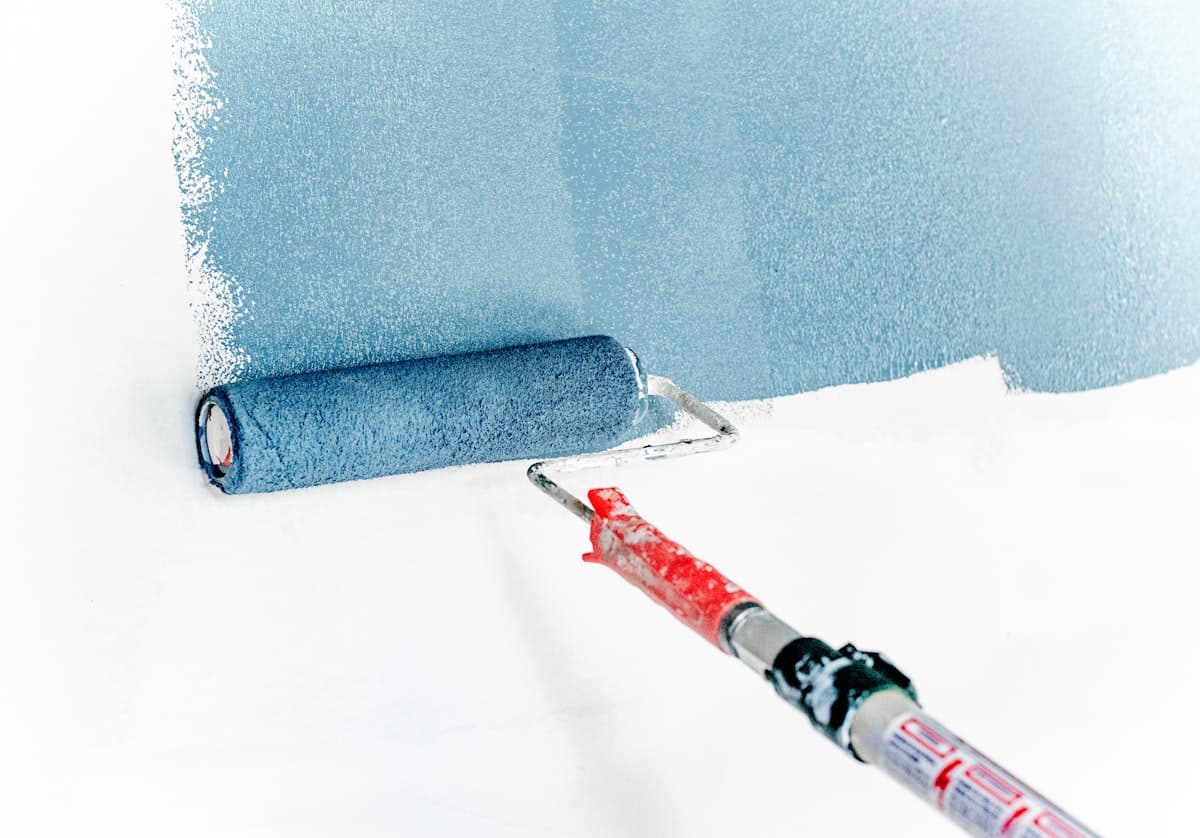
Failed or ageing wall detail — ponding, cracks or active tracking
Prepared substrate with continuous wall membrane and dressed details
What is wall waterproofing?
Wall waterproofing treats vertical surfaces — external façades, retaining walls, basement walls and planter walls — against rising damp, lateral groundwater pressure, rain penetration and salt attack. Methods range from crystalline slurry and elastic exterior coatings to cavity drainage and negative-side tanking. Unlike roof work, walls face capillary action pulling moisture upward and salts that blister paint from within. Scope must identify whether water comes from outside, below or from a defect at a higher level tracking down.
Why UAE buildings need it
UAE blockwork and rendered walls absorb heat and humidity, especially in coastal communities. Salt-laden air deposits chlorides that break down paint and render. Villa boundary walls and basement retaining walls face lateral pressure after wadi rain. AC condensate lines and failed window seals often mimic rising damp. External paint without a proper barrier fails within two summers on west-facing walls. Internal symptoms — peeling paint, salt blooms — rarely show the true entry height.
Quick answers
What property owners ask first
Direct answers written for search and AI assistants — then read the full sections below for detail.
What is wall waterproofing?
Wall waterproofing is a barrier system on vertical surfaces that stops moisture entering from soil, rain or lateral pressure. It uses crystalline slurry, elastic coatings or drainage depending on wall type and water source. It addresses rising damp, salt attack and basement ingress — not just surface staining.
Why is wall waterproofing needed in the UAE?
Coastal salts, humidity and wadi-fed soil pressure attack UAE walls. Render cracks let rain in; blockwork wicks moisture upward. Retaining and basement walls face hydrostatic load. Without proper treatment, paint fails, wardrobes smell musty and reinforcement in adjacent slabs corrodes.
How much does wall waterproofing cost in the UAE?
Cost depends on wall area, height, access, surface condition and whether excavation or scaffolding is needed. A single damp wall differs from a full retaining wall programme. Quotes vary; inspection with moisture mapping is required.
How long does wall waterproofing last?
Exterior coatings in coastal UAE typically last 7–12 years before maintenance. Crystalline basement treatments may last 15–20 years on stable structures. Performance depends on fixing the actual water source — coatings alone fail if roof or planter leaks continue.
The problem we solve
External and retaining walls suffer from rising damp, salt efflorescence and lateral water pressure — causing paint failure and internal staining.
- Rising damp in ground-floor villa walls on sloping plots
- Salt efflorescence blistering external paint and render
- Lateral pressure on retaining and basement walls after heavy rain
- Rain penetration through cracked render and unsealed window perimeters
- Planter walls saturated by irrigation soaking adjacent rooms
- Condensate from AC ducts misdiagnosed as structural damp
- Failed previous damp-proof injection with no surface barrier
Our solution
Barrier coatings, crystalline slurries and cavity drainage matched to whether the wall is above or below grade.
Signs you need wall work
- • White powdery deposits on internal wall surfaces
- • Paint bubbling on lower walls without an obvious plumbing leak
- • Damp patches that worsen after rain on ground-floor rooms
- • Musty smell in built-in wardrobes against external walls
- • Cracked external render with dark moisture streaks
- • Persistent damp on one wall face only — suggesting lateral source
Methods
Wall Waterproofing methods we specify
The right system depends on substrate, exposure and how the area is used — not a one-product pitch.
Crystalline slurry coating
Brush-applied crystalline product that penetrates concrete and blockwork — effective on negative-side basement walls.
Elastic exterior membrane
Breathable, crack-bridging coating on external render with salt-barrier primer — suited to façades and boundary walls.
Retaining wall positive-side barrier
Sheet or liquid membrane on the soil face during excavation or via sectional access.
Damp diagnosis and source elimination
Moisture mapping before coating — fixing AC drains, window seals or roof leaks that present as wall damp.
Outcomes
Benefits
- Inspection before quoting — no guesswork on scope
- Materials matched to wall exposure and substrate
- Reinforced details at drains, corners and penetrations
- Written warranty on major system installations
- Documentation for FM, insurers and handover packs
Expected lifespan in the UAE
Exterior elastic wall coatings in UAE coastal exposure typically last 7–12 years before recoating. Crystalline internal treatments on stable concrete can perform 15–20 years if water pressure does not increase. Lifespan drops sharply if the source — roof leak, planter, window — is not fixed alongside the barrier.
Materials we use
- Crystalline slurry coats
- Elastic exterior membranes
- Salt-barrier primers
See also our materials overview and warranty terms.
Professional installation process
- 01
Site inspection
We map moisture paths, substrate condition, drains and penetrations before quoting.
- 02
Surface preparation
Failed coatings are removed, cracks repaired and surfaces primed to manufacturer spec.
- 03
Detail reinforcement
Corners, outlets, pipes and movement joints receive extra membrane layers.
- 04
System application
The specified membrane or coating is applied at correct thickness with cure controls.
- 05
Testing and handover
Flood or hose tests where applicable, photos, warranty documents and maintenance guidance.
Full methodology on our process page.
Cost factors
- • Accessible area and working height
- • Strip-out of failed layers
- • System type and thickness
- • Detail complexity
- • Warranty scope
Wall waterproofing spans external scaffold work, internal strip to block, and injection systems — prices diverge accordingly. Height, access, and extent of render removal drive labour. Occupied apartments need protection and dust control. Multiple rooms with linked leak paths need survey before per-room quotes. Inspection distinguishes local external crack from systemic rising damp — scope changes cost substantially.
Read our waterproofing cost guide.
Maintenance advice
- • Annual visual inspection
- • Keep drains clear of debris
- • Repair minor damage before it spreads
- • Follow warranty inspection schedule
Repaint external render when hairline cracks widen after summer. Keep AC condensate drains away from external walls. Trim plants that hold moisture against facades. Inspect bathroom and kitchen walls on floor above annually. Log internal humidity; above 60% risks mould regardless of waterproofing.
Expert tips
- • Do not tile or paint over damp substrates
- • Compare quotes by written scope not headline price
- • Photograph the area before and after works
- • Fix roof and balcony sources before wall tanking
- • Use breathable finishes on external lime-cement renders
- • Do not install gypsum directly on damp block — test first
- • Map electrical conduits that bridge DPC layers
- • Schedule external works in moderate weather for cure
- • Keep one wall section open for verification before full cover
Industry best practices
Diagnose with moisture meter profiles across wall height — rising damp, penetrating damp, and condensation show different patterns. Repair external cracks and repoint before internal tanking where outside access exists. Use breathable external coatings in humid coastal zones to avoid trapping vapour inside. For blockwork, crystalline slurry can resist negative-side moisture if cracks are stable. Coordinate with HVAC — over-cooling interior walls without dehumidification causes condensation misread as leak. Do not inject DPC chemicals without confirming bridge at slab edge.
When to call a specialist
Call when damp returns after cosmetic paint, salt efflorescence spreads, or mould persists despite cleaning. Before built-in wardrobes cover suspect walls. If external cladding is removed for other works, inspect substrate then — access saves cost later.
Aftercare in the first weeks
Allow internal tanking slurries full cure before gypsum or paint. Run dehumidifier as advised first month. Avoid mounting heavy shelves through fresh treatment without seal detail.
Patch, partial, or full system?
Is wall damp a surface treatment, or a full waterproofing rebuild?
Patch when
Local treatments suit rain splash or single crack ingress when the wall build-up is otherwise dry and drainage at the base is clear. Confirm interior stains stop after a monitored rain cycle.
Full system when
Full systems are needed for chronic rising damp patterns, failed cavity trays, or retaining walls under soil load. Interior-only coatings fail when water still enters from the outer face.
Avoid
Skip vinyl wallpaper or thick decorative plaster as a ‘fix’. Trapped moisture breeds mould behind finishes and delays diagnosis.
Distinguish rain splash and crack ingress from rising or retained moisture against soil — the repair path differs. Interior coatings without outer-face or drainage correction rarely last a UAE winter. Photograph stain growth after rain versus during AC season so diagnosis is not guesswork when the inspector arrives. Check base drainage and planter interfaces before approving another decorative render cycle. If stains track from podium edges, treat drainage and waterproofing together — wall paint alone will not outrun a saturated interface.
Options compared
| Option | Best for | Watch out |
|---|---|---|
| External crack repair and coating | Penetrating damp from facade defects | Scaffold cost; misses internal source if misdiagnosed |
| Crystalline internal slurry | Damp blockwork without active hydrostatic pressure | Poor on painted or sealed substrates without strip |
| Injection DPC course | Confirmed rising damp with intact external ground level | Bridged DPC from renders or slabs defeats injection |
| Condensation management | Cold spots and mould without measurable ingress | Waterproofing products will not fix HVAC imbalance |
Owner checklist
- Profile moisture at base, mid, and top of wall
- Inspect external face for cracks and failed coping drips
- Rule out bathroom or roof leak from floor above
- Choose system matching moisture direction — in or out
- Repair external defects before internal-only tanking if possible
- Confirm AC and ventilation strategy for condensation cases
- Agree replastering and paint reinstatement scope
- Photograph external cracks mapped to internal stains
- Retest moisture after first month post-treatment
Common mistakes to avoid
These errors shorten membrane life and turn small leaks into slab or ceiling repairs.
- Painting over salt-contaminated render without cleaning and priming
- Treating internal symptoms when water enters from roof or terrace above
- Using interior emulsion on external walls exposed to sun and rain
- Injecting damp-proof cream without addressing high external ground levels
- Blocking breathability with non-vapour-permeable coatings on damp walls
- Assuming all wall damp is rising damp without moisture mapping
Why choose our wall service
- Moisture mapping to find true entry point before specifying
- Salt-resistant primers and breathable exterior systems
- Experience on retaining walls, basements and villa façades
- Coordination with render repair and window sealing trades
- Clear distinction between rising damp, lateral pressure and condensation
Frequently asked questions
Additional detail beyond the quick answers above. Still unsure? Request an inspection.
How long does wall waterproofing take?
Timelines depend on area, prep needs and cure times. A typical villa bathroom may take 3–5 days including flood test; a full roof refurbishment can take 1–3 weeks.
Do you provide warranty on wall work?
Yes — major system installations include written warranty terms. Scope and exclusions are stated in your quote.
Which emirates do you cover for wall waterproofing?
We serve Dubai, Abu Dhabi, Sharjah and all northern emirates. Remote industrial sites are scheduled by arrangement.
Is wall damp always rising damp?
No — condensation, roof leaks, terrace thresholds and planter irrigation are common in UAE villas. We map moisture patterns before recommending treatment.
Can you waterproof walls without removing render?
Sometimes an compatible coating applies over sound render after salt treatment. Failed or hollow render must be removed first or the coating delaminates within seasons.
Do you treat boundary and retaining walls?
Yes — positive-side barriers during landscaping access, or negative-side crystalline where excavation is not feasible.
Can I waterproof a wall from inside only?
Often yes for damp block and localized negative-side moisture using crystalline or cementitious slurry. Active water from external cracks still needs external repair. Internal-only approaches fail when hydrostatic pressure or roof leaks drive water continuously.
Why does wall damp worsen after UAE summer rain?
Intense rain finds cracked render and parapet drips; water tracks cavities and appears on internal faces days later. Capillary paths saturated in blockwork release moisture slowly even after skies clear.
Is mould on walls always a waterproofing issue?
Not always — condensation from cold walls and poor ventilation causes mould without external leak. Moisture mapping separates ingress from condensation before you spend on tanking.
Is rising damp treated the same as rain splash on a villa wall?
No. Rising or retained moisture against soil needs drainage and often different systems than local rain-splash patches. Misdiagnosis leads to peeling interior coatings every winter.
Can I waterproof a retaining wall from the inside only?
Negative-side treatments can reduce visible seepage when exterior access is impossible, but they are a last resort. Positive-side protection and drainage remain the preferred long-term path when excavation is feasible.
Related services
Concrete Waterproofing
We deliver concrete waterproofing for property owners and facility teams who need lasting protection in UAE heat, UV and seasonal rain — not a quick coat that fails in two summers.
Basement Waterproofing
We deliver basement waterproofing for property owners and facility teams who need lasting protection in UAE heat, UV and seasonal rain — not a quick coat that fails in two summers.
Crack Repair
We deliver crack repair for property owners and facility teams who need lasting protection in UAE heat, UV and seasonal rain — not a quick coat that fails in two summers.
Ready for professional wall waterproofing?
Book a free inspection. We diagnose first, then send a clear written scope — no vague per-sqm promises.