
Bituminous Waterproofing · UAE waterproofing service
Bituminous Waterproofing With Correct Lap Work
We deliver bituminous waterproofing for property owners and facility teams who need lasting protection in UAE heat, UV and seasonal rain — not a quick coat that fails in two summers. Looking for bituminous waterproofing in Dubai or across the Emirates? We inspect first, then specify a system matched to UAE heat, UV and how the surface is used.
Bituminous waterproofing — torch-applied, self-adhesive, or liquid-modified systems — remains common on UAE roofs, podiums, and below-grade tanking where multi-layer redundancy and track record matter. You need to decide between APP and SBS modified membranes, whether heat welding is permitted on your substrate, and how details at drains and parapets will be reinforced. Bitumen performs when laps and upturns are skilled; it fails when rushed in heat or applied over unsuitable insulation. This section helps you judge bitumen scope against liquid alternatives for your asset.
Prefer messaging? Request a quote · Contact us · Warranty
Inspection-led scope
Diagnose before quoting
Written warranties
Terms on major systems
UAE-ready systems
Heat, UV and rain
All seven emirates
Villas to warehouses
Questions about coverage? See our warranty terms and process.
Results
What changes after a proper system
Representative before/after stages — real project photos available during quoting.
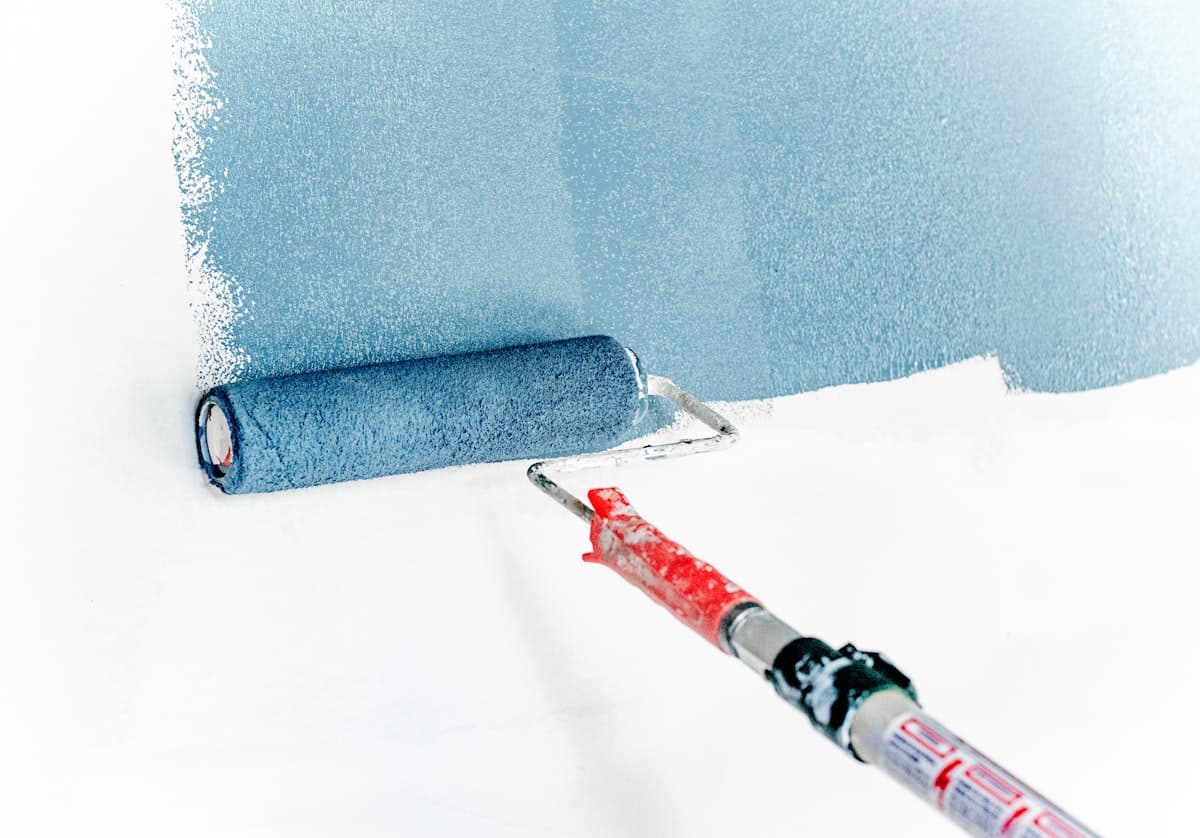
Failed or ageing bituminous detail — ponding, cracks or active tracking
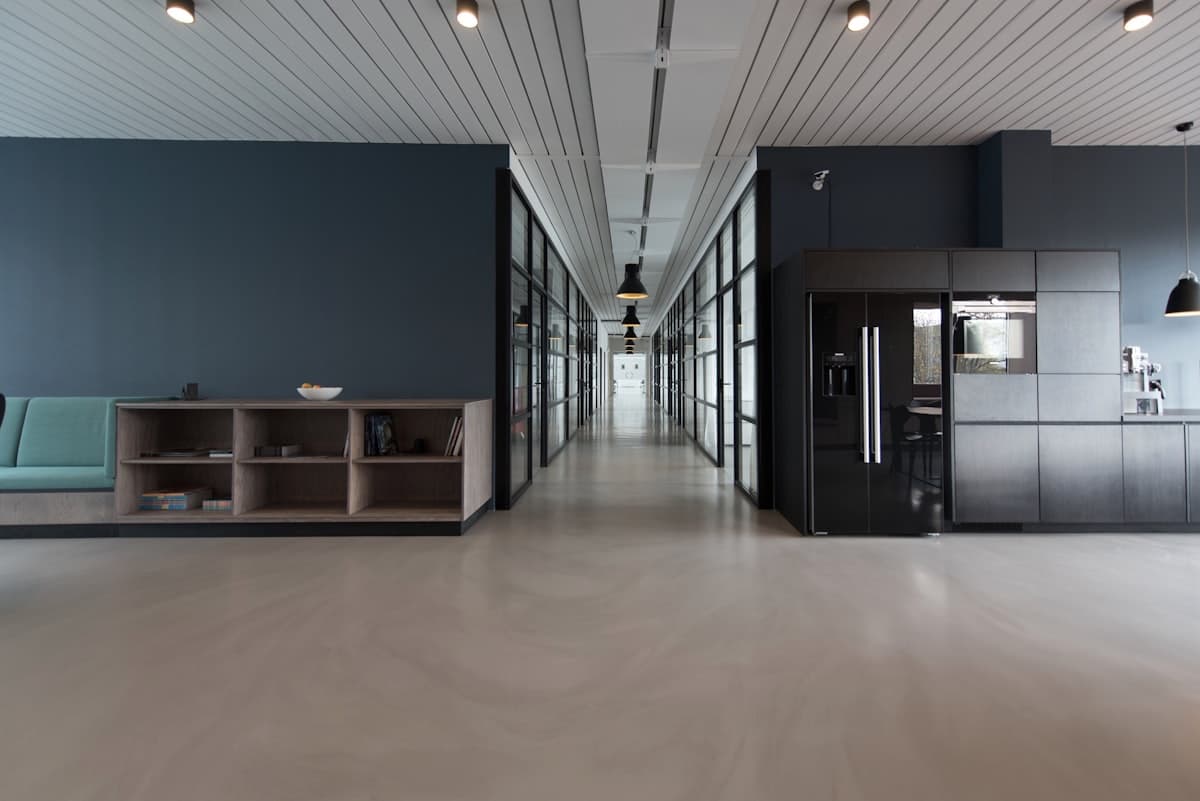
Prepared substrate with continuous bituminous membrane and dressed details
What is bituminous waterproofing?
Bituminous waterproofing uses modified bitumen membranes — APP or SBS — applied by torch welding, self-adhesion or hot mopping to create layered sheet barriers on foundations, podiums and covered roofs. Lap width, roll direction and detail flashing determine success more than brand name. Protection boards and drainage layers sit above membranes in buried or traffic applications. UV exposure requires mineral finish or separate protection — bare bitumen degrades quickly in UAE sun.
Why UAE buildings need it
Bituminous sheets remain common on UAE foundation and podium work where buried or protected placement suits their strengths. Torch-on laps fail when applicators rush in heat or skip primer on dusty slabs. Exposed torch-on without protection fails in one to two UAE summers — a frequent sight on failed podium repairs. SBS flexibility suits slightly moving substrates; APP suits higher heat resistance. Correct product class for the actual build-up matters.
Quick answers
What property owners ask first
Direct answers written for search and AI assistants — then read the full sections below for detail.
What is bituminous waterproofing?
Bituminous waterproofing uses modified bitumen sheet membranes welded or adhered in layers to stop water ingress. APP and SBS types suit different conditions. It is common on foundations and podiums — usually protected from UV by soil, concrete or pavers.
Why is bituminous waterproofing needed in the UAE?
UAE foundations and podiums face groundwater and hydrostatic pressure. Bituminous sheets perform well when buried or protected. They fail if left exposed to sun or if laps are poorly welded. Correct installation on podiums prevents retail and car park leaks below.
How much does bituminous waterproofing cost in the UAE?
Cost depends on area, ply count, access, primer and protection layers, and whether torch or self-adhesive method applies. Foundation work differs from podium remediation with landscaping above. Quotes vary; drawings and site review are required.
How long does bituminous waterproofing last?
Protected membranes often last 20–30 years. Exposed bitumen in UAE sun may fail in 2–5 years. Lap and detail quality at installation determines outcome. Protection boards and drainage preserve buried system life.
The problem we solve
Bitumen systems fail when laps are poorly torched, details ignored or UV exposure is unprotected.
- Poor lap welding leaving channels for water tracking
- Torch-on applied on dusty slab without primer — lap failure
- Exposed bitumen degrading under full UAE UV
- Punctured membrane during backfill or landscaping
- Missing protection board before concrete or paver overlay
- Detail flashing omitted at internal and external corners
- Mixed APP and SBS products in same build-up causing incompatibility
Our solution
APP or SBS modified bituminous sheets with proper laps, protection layers and compatible detailing at complex junctions.
Signs you need bituminous work
- • Water ingress at podium level after landscaping works
- • Visible bitumen exposed on roof edge — cracked and brittle
- • Lap lines visible with moisture tracking on underside
- • Foundation damp after backfill without protection board record
- • Consultant specification calls for modified bitumen system
- • Previous torch-on repair failed at same lap location
Methods
Bituminous Waterproofing methods we specify
The right system depends on substrate, exposure and how the area is used — not a one-product pitch.
Torch-on APP/SBS sheet membrane
Heat-welded rolls with controlled lap width and roller pressure — standard on foundations and podiums.
Self-adhesive bituminous sheet
Peel-and-stick application where open flame is restricted — requires clean, primed substrate.
Multi-layer bituminous build-up
Two-ply systems on critical below-grade and podium zones with staggered laps.
Protection and drainage layer install
Boards and geotextile above membrane before backfill, concrete or pavers.
Outcomes
Benefits
- Inspection before quoting — no guesswork on scope
- Materials matched to bituminous exposure and substrate
- Reinforced details at drains, corners and penetrations
- Written warranty on major system installations
- Documentation for FM, insurers and handover packs
Expected lifespan in the UAE
Protected bituminous membranes on foundations and podiums typically last 20–30 years when undamaged during construction. Exposed or unprotected bitumen may fail in 2–5 UAE years. Lap and detail quality at installation determines whether performance reaches design life.
Materials we use
- APP/SBS modified bitumen membranes
- Torch-on primer
- Protection sheets
See also our materials overview and warranty terms.
Professional installation process
- 01
Site inspection
We map moisture paths, substrate condition, drains and penetrations before quoting.
- 02
Surface preparation
Failed coatings are removed, cracks repaired and surfaces primed to manufacturer spec.
- 03
Detail reinforcement
Corners, outlets, pipes and movement joints receive extra membrane layers.
- 04
System application
The specified membrane or coating is applied at correct thickness with cure controls.
- 05
Testing and handover
Flood or hose tests where applicable, photos, warranty documents and maintenance guidance.
Full methodology on our process page.
Cost factors
- • Accessible area and working height
- • Strip-out of failed layers
- • System type and thickness
- • Detail complexity
- • Warranty scope
Bituminous pricing depends on layer count, substrate prep, and detail density — double-layer roof costs more than single-layer podium. Torch labour and fire watch add site overhead. Strip of failed multi-layer build-up increases waste cost. Compare quotes by membrane brand, layer count, and upturn height — inspection measures failed area needing removal.
Read our waterproofing cost guide.
Maintenance advice
- • Annual visual inspection
- • Keep drains clear of debris
- • Repair minor damage before it spreads
- • Follow warranty inspection schedule
Inspect lap seams and upturns annually — UV embrittlement at exposed edges. Reseal metal flashing interfaces. Clear drains to prevent ponding that accelerates ageing. Patch with compatible bitumen patch, not random mastic.
Expert tips
- • Do not tile or paint over damp substrates
- • Compare quotes by written scope not headline price
- • Photograph the area before and after works
- • Double layer at drains and parapets on villa roofs
- • Use protection board before backfill on basement tanking
- • Do not torch directly on combustible insulation
- • Keep FM patch rolls matching installed membrane type
- • Schedule morning welds in peak summer heat
- • Combine with slope correction before membrane if ponding
Industry best practices
Select APP or SBS per exposure — SBS often suits cooler flexibility needs; APP common on UAE exposed roofs when specified correctly. Prepare substrate flat and clean; bitumen does not bridge large voids. Weld or torch laps fully — fishmouths at drains cause callbacks. Double layer at critical zones on high-risk decks. Use compatible primers on concrete age per manufacturer. Fire watch and hot work permits mandatory on occupied buildings. Protect finished membrane from puncture before ballast or protection board.
When to call a specialist
Call when renewing proven bitumen build-up, waterproofing below-grade with external tanking access, or when insurer specifies sheet membrane redundancy.
Aftercare in the first weeks
Avoid puncturing membrane before protection or ballast placed. First rain — inspect outlets and upturns for tracking. Document layer types for future patch compatibility.
Patch, partial, or full system?
Should bituminous work be a local sheet repair or a full build-up renewal?
Patch when
Torch or cold-applied sheet patches suit isolated lap or penetration failures when surrounding plies are bonded and protected by screed or paving. Thermography or moisture scans reduce guesswork.
Full system when
Full build-up renewal when blisters are widespread, protection courses failed, or multiple seasons of patches track the same podium. Protected bituminous systems need correct falls and outlets, not only new sheets.
Avoid
Do not torch over wet or contaminated substrate. Poor bonds create hidden blisters that show as parking seepage months later.
Protected bituminous build-ups need correct falls, outlets and protection courses — not only new sheets over wet substrate. Local lap repairs work when scans confirm surrounding plies are bonded. Widespread blistering after multiple patch seasons usually means full build-up renewal is cheaper than another winter of parking seepage. Torch work needs skilled labour and fire controls — cheap seams fail first. After podium works, walk planter drains with the landscape contractor before backfill; most repeat seepage starts where those trades meet.
Options compared
| Option | Best for | Watch out |
|---|---|---|
| Torch-applied SBS double layer | Exposed flat roofs needing lap redundancy | Hot work risk; skill-dependent seam quality |
| Self-adhesive bitumen sheet | Sites restricting open flame | Adhesion sensitive to dust and temperature at install |
| Liquid-modified bitumen | Complex details complementing sheet field area | Not always substitute for full sheet at high stress zones |
| External basement tanking | New build with excavation access | Backfill protection mandatory |
Owner checklist
- Choose APP vs SBS with designer or manufacturer
- Confirm hot work permit and fire watch plan
- Specify layer count and upturn heights on drawings
- Prime concrete to correct age and dryness
- Reinforce drains with extra plies and collars
- Protect membrane before pavers or insulation cover
- Inspect lap welds during application — not after cover
- Agree patch material compatibility for FM kit
- Photograph all upturns before cladding covers
Common mistakes to avoid
These errors shorten membrane life and turn small leaks into slab or ceiling repairs.
- Torch welding in high wind without lap control
- Leaving membrane exposed to UV without protection schedule
- Backfilling without protection board — puncture risk
- Single-ply where two-ply was specified for hydrostatic pressure
- Using open flame where self-adhesive was required by site rules
- Rushing details at drains and corners while field rolls look neat
Why choose our bituminous service
- APP vs SBS selection matched to build-up and movement
- Lap width and detail work to manufacturer method statements
- Protection board coordination with civil and landscape teams
- Experience on UAE foundations, podiums and covered roofs
- Honest advice when liquid PU suits exposure better than bitumen
Frequently asked questions
Additional detail beyond the quick answers above. Still unsure? Request an inspection.
How long does bituminous waterproofing take?
Timelines depend on area, prep needs and cure times. A typical villa bathroom may take 3–5 days including flood test; a full roof refurbishment can take 1–3 weeks.
Do you provide warranty on bituminous work?
Yes — major system installations include written warranty terms. Scope and exclusions are stated in your quote.
Which emirates do you cover for bituminous waterproofing?
We serve Dubai, Abu Dhabi, Sharjah and all northern emirates. Remote industrial sites are scheduled by arrangement.
Can bituminous membrane be left exposed on a villa roof?
Not recommended in UAE UV — it needs mineral cap sheet, protection concrete or an overlying finish. Exposed torch-on fails quickly.
APP or SBS for my project?
APP suits higher heat stability; SBS suits more flexibility and cold behaviour. We select after reviewing build-up, movement and exposure.
Is torch-on safe on occupied sites?
Hot works permits, fire watch and sometimes self-adhesive alternatives apply on sensitive occupied assets — we plan method with FM.
Is torch-applied bitumen safe on occupied buildings?
With hot work permits, fire watch, and trained crew yes — common on UAE roofs. Risk management excludes combustible materials from flame path. Self-adhesive options exist where flame is restricted.
How long does bituminous roof waterproofing last?
Depends on layers, exposure, ponding, and maintenance — well-installed multi-layer systems on drained roofs perform many years; ponding and poor laps fail early. Warranty terms specify covered defects only.
Can new bitumen go over old bitumen?
Sometimes if adhesion test passes and old layer is sound — often partial strip needed at failed zones. Overlay on detached bitumen delaminates in first hot season.
When is a bituminous patch enough on a podium?
When moisture scans show a local lap or penetration failure and surrounding plies remain bonded under the protection course. Widespread blistering after repeated patches usually needs full build-up renewal rather than another winter of parking seepage.
Why do parking leaks return after bituminous repairs?
Often because planter drains, falls or wet substrate were not corrected. Torch work over contamination creates hidden blisters that show as seepage months later. Walk drains with landscape contractors before backfill closes the detail.
Do protected bituminous systems still need outlet detailing?
Yes. Protection courses hide the membrane but do not remove the need for correct falls, outlets and penetration collars. Most podium failures start at those details, not open sheet fields.
Is torch-on work safe on occupied podiums?
It requires skilled labour, fire controls and coordination with FM. Cold-applied options may suit some sites — ask which method the quote assumes and what permits are needed.
Should I keep old bituminous layers under a new system?
Only when adhesion and moisture checks pass and the manufacturer allows overlay. Trapped moisture under new sheets is a common UAE podium failure — strip when in doubt.
Related services
Foundation Waterproofing
We deliver foundation waterproofing for property owners and facility teams who need lasting protection in UAE heat, UV and seasonal rain — not a quick coat that fails in two summers.
Roof Waterproofing
We deliver roof waterproofing for property owners and facility teams who need lasting protection in UAE heat, UV and seasonal rain — not a quick coat that fails in two summers.
Building Waterproofing
We deliver building waterproofing for property owners and facility teams who need lasting protection in UAE heat, UV and seasonal rain — not a quick coat that fails in two summers.
Ready for professional bituminous waterproofing?
Book a free inspection. We diagnose first, then send a clear written scope — no vague per-sqm promises.