
Roof Insulation · UAE waterproofing service
Roof Insulation Built Into Your Waterproofing
We deliver roof insulation for property owners and facility teams who need lasting protection in UAE heat, UV and seasonal rain — not a quick coat that fails in two summers. Looking for roof insulation in Dubai or across the Emirates? We inspect first, then specify a system matched to UAE heat, UV and how the surface is used.
Roof insulation in UAE buildings reduces heat transfer into top-floor rooms and can protect waterproofing from thermal shock — but wrong assembly traps moisture and rots decks. You need to choose between inverted roof with insulation over membrane, warm roof with insulation below membrane, or spray foam systems — each interacts differently with UAE rain and humidity. Adding insulation during waterproofing renewal saves access cost. Weight and fall on existing structures must be checked. This guide helps match insulation strategy to roof build-up and occupancy goals without compromising the water barrier.
Prefer messaging? Request a quote · Contact us · Warranty
Inspection-led scope
Diagnose before quoting
Written warranties
Terms on major systems
UAE-ready systems
Heat, UV and rain
All seven emirates
Villas to warehouses
Questions about coverage? See our warranty terms and process.
Results
What changes after a proper system
Representative before/after stages — real project photos available during quoting.
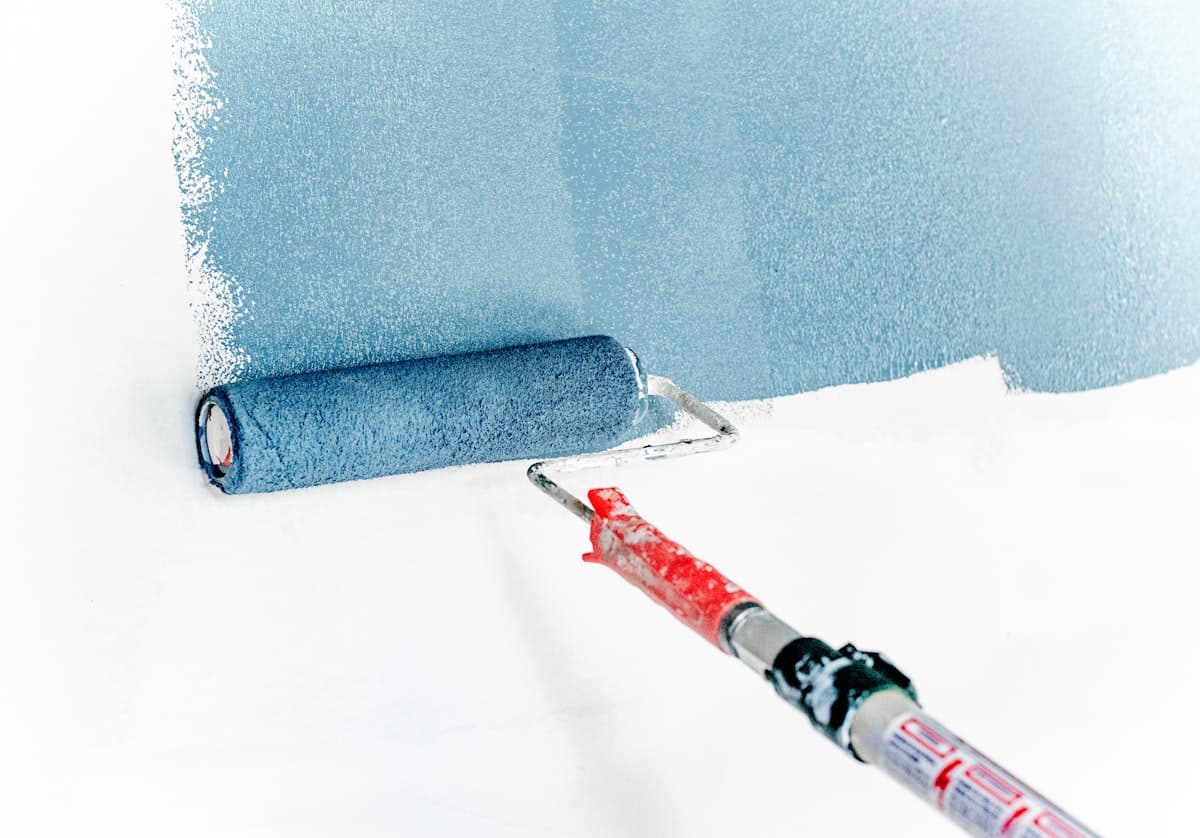
Failed or ageing insulation detail — ponding, cracks or active tracking
Prepared substrate with continuous insulation membrane and dressed details
What is roof insulation?
Roof insulation installs thermal boards — typically PIR or XPS — as part of a coordinated waterproofing build-up to reduce heat transfer into occupied space below. Tapered insulation can re-establish falls toward drains on nominally flat slabs. Vapour control layers prevent interstitial condensation when cold interior air meets hot roof assemblies. Insulation must integrate with membrane type and not hide active moisture problems beneath existing boards.
Why UAE buildings need it
UAE building codes and market expectations increasingly require minimum thermal performance, yet many older villas and warehouses have bare concrete or metal decks with no insulation. Adding boards during roof refurbishment is the most cost-effective moment — not after a new membrane is already down. Trapped moisture under incorrectly specified insulation causes hidden deck corrosion. Top-floor apartment owners feel the difference immediately when insulation is omitted on podium and roof renewals.
Quick answers
What property owners ask first
Direct answers written for search and AI assistants — then read the full sections below for detail.
What is roof insulation?
Roof insulation is thermal board — usually PIR or XPS — installed in the roof build-up with waterproofing to reduce heat transfer into the building. It may include tapered boards for falls and vapour barriers. It is specified as part of the full roof system, not in isolation.
Why is roof insulation needed in the UAE?
UAE roofs absorb intense solar heat. Uninsulated top floors overheat and AC costs rise. Adding insulation during roof renewal is most efficient. Wet or missing insulation causes hidden damage. Proper integration with waterproofing improves comfort and energy performance.
How much does roof insulation cost in the UAE?
Cost depends on roof area, board thickness, taper complexity, strip-out of wet boards and access. Insulation adds to refurbishment scope rather than standing alone. Quotes vary; inspection confirms deck and existing build-up condition.
How long does roof insulation last?
Dry insulation in a protected build-up lasts 25–30 years with the roof system. Saturated boards must be replaced — they do not recover. Lifespan fails immediately if moisture was trapped during installation.
The problem we solve
Poor or damaged insulation lets heat into top floors and can hide moisture problems beneath boards.
- No insulation on older villa flat roofs — extreme top-floor heat
- Damaged or waterlogged insulation boards trapping moisture
- Incorrect falls after insulation added without tapered scheme
- Vapour barrier omitted causing condensation under membrane
- Insulation compressed by traffic or storage on roof decks
- FM unaware of insulation condition during roof leak investigation
- New membrane applied without replacing saturated boards below
Our solution
Insulation boards integrated with waterproofing build-ups, with vapour control where required.
Signs you need insulation work
- • Top floor heat problems despite intact roof coating
- • Soft or spongy areas when walking on finished roof surface
- • Musty smell in ceiling void below roof deck
- • Planning full roof refurbishment — ideal time to add insulation
- • Condensation on underside of metal deck in early morning
- • Previous roofer omitted insulation from scope entirely
Methods
Roof Insulation methods we specify
The right system depends on substrate, exposure and how the area is used — not a one-product pitch.
PIR board build-up with membrane
Rigid insulation boards bonded or mechanically fixed, then waterproofing membrane — common on concrete deck refurbishments.
Tapered insulation for falls
Custom tapered boards directing water to drains where original slab falls are inadequate.
Metal deck insulated lining
Insulation and vapour barrier under or over metal deck with compatible coating system.
Strip-out of saturated boards
Remove wet insulation before any new membrane — mandatory when moisture mapping confirms saturation.
Outcomes
Benefits
- Inspection before quoting — no guesswork on scope
- Materials matched to insulation exposure and substrate
- Reinforced details at drains, corners and penetrations
- Written warranty on major system installations
- Documentation for FM, insurers and handover packs
Expected lifespan in the UAE
Dry insulation protected within a sound roof build-up lasts 25–30 years matching the roof system. Waterlogged boards must be removed immediately — they do not recover. Integrated specification at refurbishment avoids early strip-out caused by hidden moisture.
Materials we use
- PIR and XPS insulation boards
- Tapered insulation for falls
- Vapour barriers
See also our materials overview and warranty terms.
Professional installation process
- 01
Site inspection
We map moisture paths, substrate condition, drains and penetrations before quoting.
- 02
Surface preparation
Failed coatings are removed, cracks repaired and surfaces primed to manufacturer spec.
- 03
Detail reinforcement
Corners, outlets, pipes and movement joints receive extra membrane layers.
- 04
System application
The specified membrane or coating is applied at correct thickness with cure controls.
- 05
Testing and handover
Flood or hose tests where applicable, photos, warranty documents and maintenance guidance.
Full methodology on our process page.
Cost factors
- • Accessible area and working height
- • Strip-out of failed layers
- • System type and thickness
- • Detail complexity
- • Warranty scope
Insulation pricing adds material thickness, labour, and possible structural review to waterproofing renewal. Inverted systems with pavers cost more than adhesive boards. Spray foam requires certified applicator and thickness verification. Combined roof programme should itemize insulation separately from membrane for clarity. Inspection confirms deck capacity before heavy build-ups.
Read our waterproofing cost guide.
Maintenance advice
- • Annual visual inspection
- • Keep drains clear of debris
- • Repair minor damage before it spreads
- • Follow warranty inspection schedule
Inspect ballast and paver displacement after storms — exposed insulation absorbs water. Check parapet flashings when insulation thickness changed. Remove debris that blocks drainage paths through insulated build-up.
Expert tips
- • Do not tile or paint over damp substrates
- • Compare quotes by written scope not headline price
- • Photograph the area before and after works
- • Renew waterproofing and insulation in one access window
- • Use inverted roof where membrane maintenance access matters
- • Avoid compressing insulation at drains — create crickets
- • Match FM records to actual insulation type installed
- • Insist on thermal imaging after install to spot gaps
- • Do not block overflow scuppers with insulation edges
Industry best practices
Design insulation assembly with vapour control appropriate to cooled interiors — dew point at membrane level causes blistering. In inverted roofs, place insulation over waterproofing with ballast or pavers; protect membrane from puncture during install. Use closed-cell materials where moisture risk is high. Maintain falls to drains through combined build-up thickness. Detail roof edges and parapets so insulation does not block drip paths. Coordinate thickness with door thresholds on terrace exits.
When to call a specialist
Call when planning roof renewal on overheating top floor, or when insulation was removed during leak repair and not replaced. Before converting roof to occupied terrace with new finishes.
Aftercare in the first weeks
Protect insulation from UV until cover installed. Monitor interior humidity first month. Do not cut ad hoc holes for new penetrations without detail redraw.
Patch, partial, or full system?
Can I add insulation alone, or must waterproofing be corrected first?
Patch when
Insulation upgrades on a proven dry roof are fine when falls, outlets and membrane integrity are confirmed. Thermal improvements should not trap moisture against a failed deck.
Full system when
Correct waterproofing before or with insulation when leaks, wet insulation or collapsed falls exist. Wet boards lose R-value and feed ongoing ceiling damage.
Avoid
Never bury a leaking membrane under new insulation boards. You insulate the problem and multiply strip-out cost later.
Dry, proven membranes come before insulation upgrades. Wet boards lose thermal performance and feed ceiling damage. If falls and outlets are wrong, fixing waterproofing and drainage first prevents insulating a pond into the build-up. Coordinate insulation thickness with door thresholds and upstand heights so new boards do not create new water traps. After installation, re-check outlet heights and parapet upstands — thicker boards can leave drains proud and recreate ponding the membrane was meant to solve.
Options compared
| Option | Best for | Watch out |
|---|---|---|
| Inverted roof with pavers | Terraces needing walkable surface and membrane protection | Weight and drainage detailing at thresholds |
| Adhered insulation under membrane | Warm roof on concrete deck with moderate traffic | Membrane exposed to UV unless protected — check spec |
| Spray polyurethane foam | Complex shapes and quick contouring on metal decks | Needs compatible topcoat; quality varies by applicator |
| Insulation-only retrofit without membrane renewal | Sound waterproofing seeking thermal upgrade only | Penetrating fasteners may breach membrane if not detailed |
Owner checklist
- Confirm structural load capacity for added build-up
- Choose warm vs inverted roof logic with designer
- Specify insulation R-value target for occupancy type
- Detail vapour control layer position explicitly
- Maintain falls to drains in combined section
- Protect waterproofing during insulation install
- Coordinate door threshold heights at terrace exits
- Plan paver or ballast type if inverted system
- Document assembly diagram for FM future works
Common mistakes to avoid
These errors shorten membrane life and turn small leaks into slab or ceiling repairs.
- Installing new insulation over wet or previously saturated boards
- Adding flat boards without correcting inadequate falls
- Omitting vapour control on air-conditioned buildings below
- Using non-compressive insulation in trafficable roof zones
- Treating insulation as optional after waterproofing is priced alone
- Storing heavy equipment on newly installed insulation boards
Why choose our insulation service
- Insulation integrated with waterproofing specification — one team
- Moisture survey before board installation — no trapping wet layers
- Tapered schemes designed with drain locations in mind
- Experience on villas, commercial decks and metal warehouses
- Clear build-up drawings for FM and consultant approval
Frequently asked questions
Additional detail beyond the quick answers above. Still unsure? Request an inspection.
How long does roof insulation take?
Timelines depend on area, prep needs and cure times. A typical villa bathroom may take 3–5 days including flood test; a full roof refurbishment can take 1–3 weeks.
Do you provide warranty on insulation work?
Yes — major system installations include written warranty terms. Scope and exclusions are stated in your quote.
Which emirates do you cover for roof insulation?
We serve Dubai, Abu Dhabi, Sharjah and all northern emirates. Remote industrial sites are scheduled by arrangement.
Can insulation be added without replacing waterproofing?
Rarely practical — usually both are renewed together so build-up layers bond correctly and wet boards are removed.
Does roof insulation stop leaks?
No — insulation reduces heat transfer. Waterproofing stops water. Both are needed in a complete roof refurbishment.
What happens if insulation gets wet?
It must be stripped and replaced — wet insulation traps moisture, corrodes decks and destroys thermal performance.
Does roof insulation help waterproofing last longer?
Reducing thermal shock on membrane can extend life, but only if assembly manages vapour correctly. Trapped moisture from wrong insulation placement destroys both insulation and membrane.
What R-value should UAE roof insulation target?
Depends on building code, green certification, and owner comfort goals — not one universal number. Spec should reference project energy model or consultant recommendation tied to use type.
Should insulation go on before or after fixing roof leaks?
After — or together with — waterproofing correction. Wet boards lose thermal performance and feed ceiling damage. Never bury an active leak under new insulation; strip-out cost multiplies when you have to remove wet boards later.
Can thicker insulation change roof drainage?
Yes. Boards can leave outlets proud or alter upstand heights. Re-check falls and drain heights after installation so insulation does not recreate ponding — thermal gains mean little if water sits against the membrane again.
Does roof insulation replace the need for a waterproofing warranty?
No. Insulation and waterproofing are separate performance goals. Keep membrane warranty documents even after an insulation upgrade — heat comfort does not prove water integrity.
Should insulation bids include outlet adjustments?
Yes when board thickness changes drain heights. Ask whether outlet reforming is included — otherwise ponding can return after an otherwise tidy insulation install.
Can insulation hide an existing roof leak?
It can hide symptoms briefly while trapping moisture. Always confirm waterproofing integrity first — insulating a wet deck multiplies strip-out cost later.
Should thermal upgrades be timed with membrane renewal?
Often yes. Opening the roof once for waterproofing and insulation together avoids paying for two mobilisations and two chances to disturb drains.
Who signs off falls after insulation is installed?
Ask for a joint check of outlets and upstands before scaffolding leaves — insulation thickness can change drainage even when boards look neat.
Related services
Roof Waterproofing
We deliver roof waterproofing for property owners and facility teams who need lasting protection in UAE heat, UV and seasonal rain — not a quick coat that fails in two summers.
Roof Heat Proofing
We deliver roof heat proofing for property owners and facility teams who need lasting protection in UAE heat, UV and seasonal rain — not a quick coat that fails in two summers.
Building Waterproofing
We deliver building waterproofing for property owners and facility teams who need lasting protection in UAE heat, UV and seasonal rain — not a quick coat that fails in two summers.
Ready for professional insulation waterproofing?
Book a free inspection. We diagnose first, then send a clear written scope — no vague per-sqm promises.